
 © Copyright Art-Invest Real Estate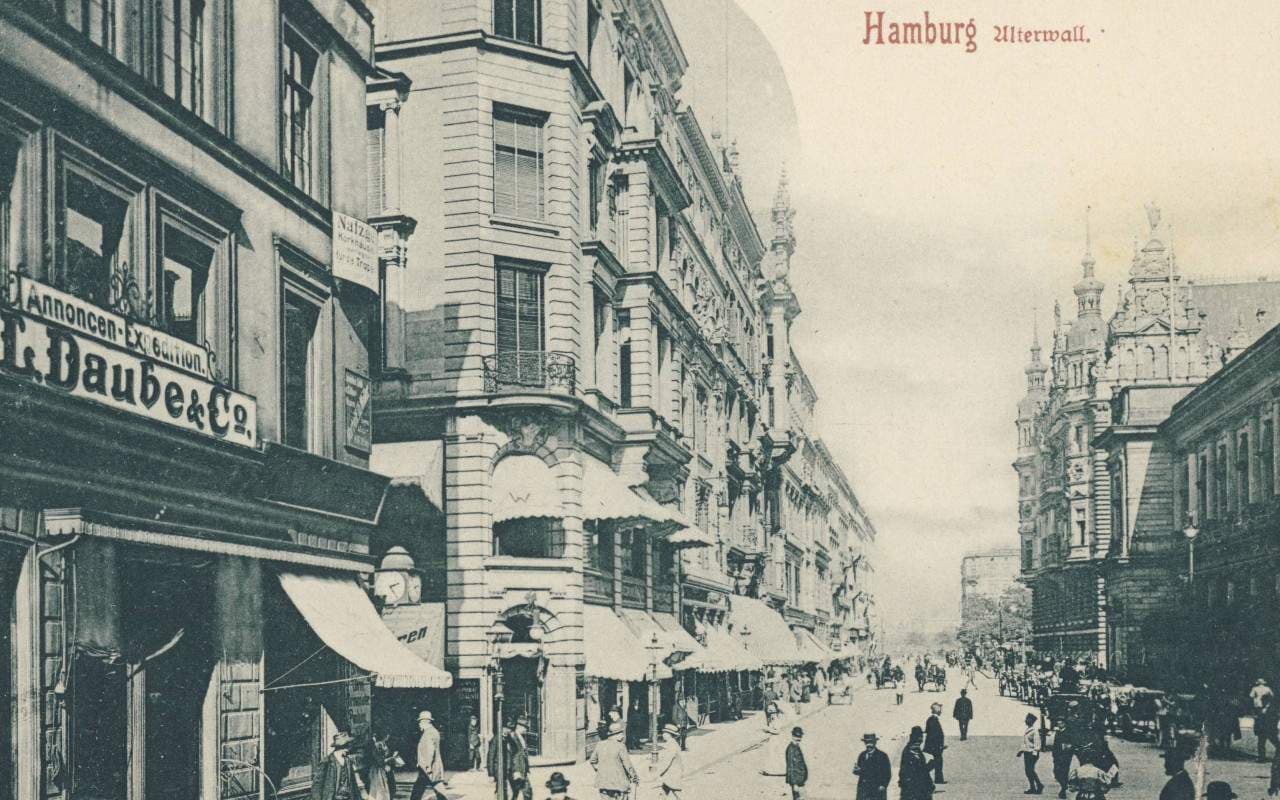
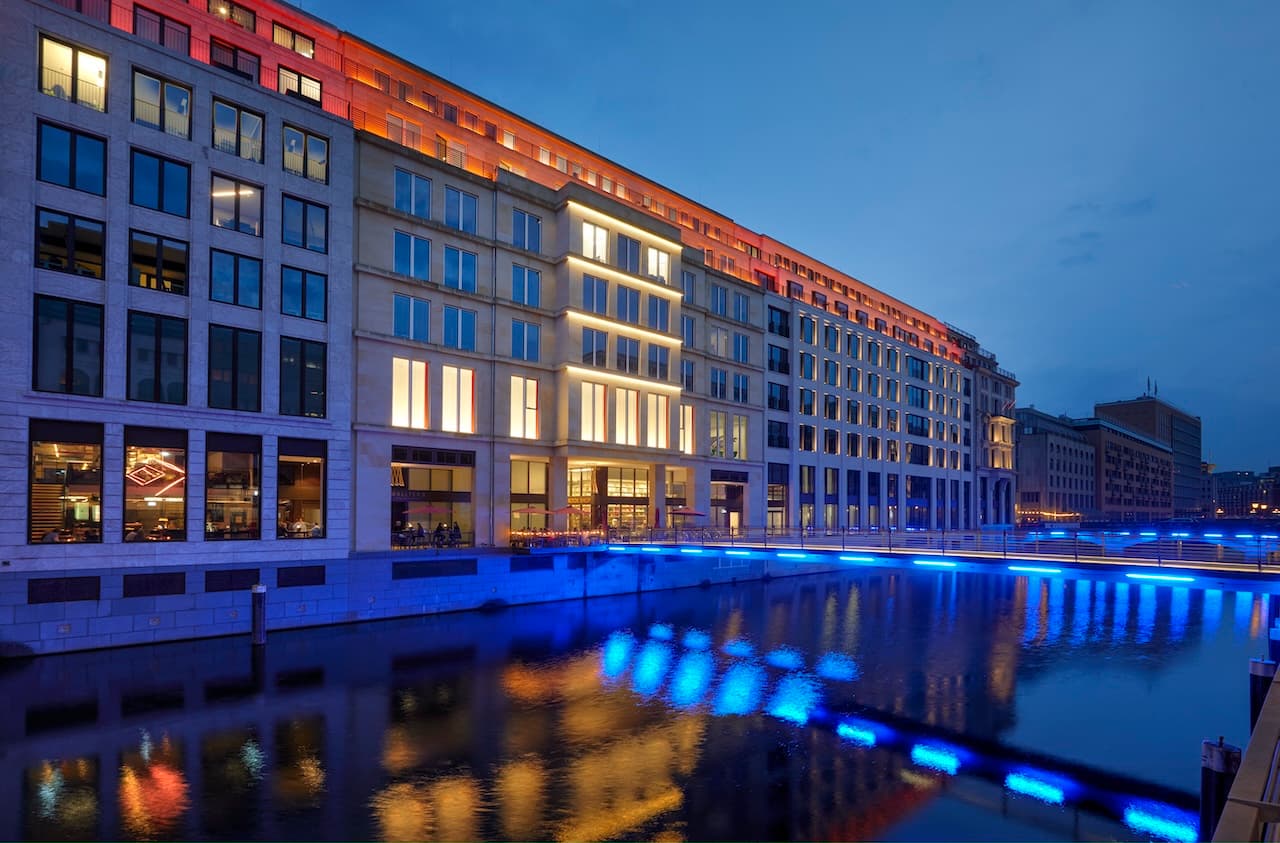
The history of the Alter Wall has a varied biography. Starting in 1188, it was one of Hamburg's main traffic points, serving as a fortification in the 15th century to secure the east flank of the old town. Heinrich Heine dined here on Paris-quality delicacies, and at the turn of the century, shopping and trade flourished along a stylish boulevard. The restored, listed sandstone and natural stone façade of the club building still reflects the flair of the Fin-de-Siècle. In 1842, the Great Fire destroyed nearly the entire city center of Hamburg, leaving thousands homeless and hundreds dead. Reconstruction began immediately after the fire was extinguished, including at Alter Wall. In 1856, a group of merchants founded the Vereinsbank at Alter Wall 62, modeled after the London example. By the beginning of the 20th century, retail settled here, with the stock exchange and City Hall nearby making the area a bustling commercial hub. Alter Wall became one of the best shopping addresses, a lively shopping boulevard where city life took place. Hamburgers did their errands here and met for tea and coffee. During World War II and the shifts of occupying forces, the Reichsbank headquarters was moved from Berlin to Alter Wall 2 in 1945. The central building and the west wing at Alter Wall were largely destroyed during the war. In 2012, Art-Invest Real Estate acquired the ensemble and had it expanded with the architects from gmp (Gerkan, Marg and Partners) between 2013 and 2019. The building ensemble was demolished except for the facades, rebuilt, and the Marion-Dönhoff-Fleet Bridge was created as a direct connection to the Neuer Wall, bridging the border between the old and new towns. History and modernity, existing structures, and new uses were attractively combined. The preserved Neo-Renaissance façade testifies to the eventful history of this place.